
|
Very
truly yours,
|
||
 |
||
|
Chairman
and Chief Executive Officer
|
|
1.
|
To
elect Michael W. Harlan and William J. Razzouk to serve as Class II
directors for a term of three years and until a successor for each has
been duly elected and qualified; and
|
|
|
2.
|
To
ratify the appointment of PricewaterhouseCoopers LLP as our independent
registered public accounting firm for the fiscal year ending December 31,
2009.
|
|
By
Order of the Board of Directors,
|
||
 |
||
|
Secretary
|
||
|
March
30, 2009
|
|
1
|
||
|
1
|
||
|
1
|
||
|
1
|
||
|
1
|
||
|
1
|
||
|
2
|
||
|
2
|
||
|
2
|
||
|
2
|
||
|
3
|
||
|
5
|
||
|
5
|
||
|
5
|
||
|
6
|
||
|
7
|
||
|
7
|
||
|
8
|
||
|
8
|
||
|
9
|
||
|
10
|
||
|
11
|
||
|
12
|
||
|
12
|
||
|
19
|
||
|
20
|
||
|
22
|
||
|
23
|
||
|
24
|
||
|
24
|
||
|
25
|
||
|
26
|
||
|
27
|
||
|
28
|
||
|
28
|
||
|
28
|
||
|
28
|
||
|
29
|
||
|
35
|
||
|
36
|
||
|
37
|
||
|
38
|
||
|
38
|
||
|
39
|
||
|
39
|
||
|
39
|
||
|
39
|
||
|
40
|
||
|
40
|
|
●
|
by
mail by signing, dating and mailing the enclosed proxy card;
or
|
|
|
●
|
by
telephone or over the Internet if your shares are held in the name of a
bank or broker, and instructions for voting in this manner are included in
information you receive from your bank or
broker.
|
|
●
|
in
favor of our director candidates; and
|
|
|
●
|
in
favor of the ratification of the appointment of the independent registered
public accounting firm.
|
|
Name
and Background
|
Age
|
Director
Since
|
|||
|
Nominees
for Class II Directors for Terms Expiring in 2012
|
|||||
|
Michael
W. Harlan has been President and Chief Executive Officer of U.S.
Concrete, Inc., a publicly traded producer of ready-mixed concrete,
precast concrete products and concrete-related products to all segments of
the construction industry, since May 2007. Mr. Harlan has also served as a
Director of U.S. Concrete, Inc., since May 2006. Mr. Harlan served as U.S.
Concrete’s Executive Vice President and Chief Operating Officer from April
2003 to May 2007 and as Chief Financial Officer from September 1998 to
November 2004. From November 1997 to January 30, 1998, Mr. Harlan served
as a consultant to Waste Connections on various financial matters. From
March 1997 to August 1998, Mr. Harlan was Vice President and Chief
Financial Officer of Apple Orthodontix, Inc., a publicly traded company
that provides practice management services to orthodontic practices in the
U.S. and Canada. From April 1991 to December 1996, Mr. Harlan held various
positions in the finance and acquisition departments of USA Waste
Services, Inc. (including Sanifill, Inc., which was acquired by USA Waste
Services, Inc.), including serving as Treasurer and Assistant Secretary,
beginning in September 1993. From May 1982 to April 1991, Mr. Harlan held
various positions in the tax and corporate financial consulting services
division of Arthur Anderson LLP, where he was a Manager since July 1986.
Mr. Harlan is on the Board of Directors of the National Ready Mixed
Concrete Association, where he serves on the Executive Committee, and he
is a member of the Board of Trustees for the RMC Research and Education
Foundation. Mr. Harlan is a Certified Public Accountant and holds a B.A.
degree from the University of
Mississippi.
|
48
|
1998
|
|||
|
William
J. Razzouk has been Chief Executive Officer of Newgistics, Inc., a
provider of intelligent order delivery and returns management solutions
for direct retailers and technology companies, since March 2005. Mr.
Razzouk has also served as a Director of Newgistics, Inc. since March
2005. Mr Razzouk also serves on the Board of Directors of Re-Trans, Inc.,
a privately held transportation management company. From August 2000 to
December 2002, he was a Managing Director of Paradigm Capital Partners,
LLC, a venture capital firm in Memphis, Tennessee that focuses on meeting
the capital and advisory needs of emerging growth companies. From
September 1998 to August 2000, he was Chairman of PlanetRx.com, an
e-commerce company focused on healthcare and sales of prescription and
over-the-counter medicines, health and beauty products and medical
supplies. He was also Chief Executive Officer of PlanetRx.com from
September 1998 until April 2000. From April 1998 until September 1998, Mr.
Razzouk owned a management consulting business and an investment company
that focused on identifying strategic acquisitions. From September 1997
until April 1998, he was the President, Chief Operating Officer and a
Director of Storage USA, Inc., a then publicly traded (now private) real
estate investment trust that owns and operates more than 350 mini storage
warehouses. He served as the President and Chief Operating Officer of
America Online from February 1996 to June 1996. From 1983 to 1996, Mr.
Razzouk held various management positions at Federal Express Corporation,
most recently as Executive Vice President, Worldwide Customer Operations,
with full worldwide profit and loss responsibility. Mr. Razzouk previously
held management positions at ROLM Corporation, Philips Electronics and
Xerox Corporation. He previously was a Director of Fritz Companies, Inc.,
Sanifill, Inc., Cordis Corp., Storage USA, PlanetRx.com, America Online
and La Quinta Motor Inns. Mr. Razzouk holds a Bachelor of Journalism
degree from the University of
Georgia.
|
61
|
1998
|
|||
|
Name
and Background
|
Age
|
Director
Since
|
|||
|
Class
I Director Continuing in Office — Term Expiring in 2011
|
|||||
|
Robert
H. Davis has been President of Waste Systems International, Inc., a
turnkey solid waste management systems provider of environmentally
acceptable solutions to developing countries outside the U.S., since
November 2007, and a partner in Rubber Recovery Inc., a private,
California-based scrap tire processing and recycling company, since July
2006. Mr. Davis is a member of the board of effENERGY LLC, an alternative
energy company, and he is the conceptual founder and a member of the
external advisory board of the Global Waste Research Institute at
California Polytechnic State University. Prior to acquiring Rubber
Recovery Inc., Mr. Davis was President, Chief Executive Officer and a
Director of GreenMan Technologies, Inc., a publicly traded tire shredding
and recycling company, from 1997 to 2006. Prior to joining GreenMan, Mr.
Davis served as Vice President of Recycling for Browning-Ferris
Industries, Inc., from 1990 to 1997. A 35-year veteran of the solid waste
and recycling industry, Mr. Davis has also held executive positions with
Fibres International, Garden State Paper Company and SCS Engineers, Inc.
Mr. Davis holds a B.S. degree in Mathematics from California Polytechnic
State University, has done graduate work at George Washington University
in Solid Waste Management, and is currently engaged in continuing
education at Stanford University Law School in Corporate
Governance.
|
66
|
2001
|
|||
|
Class
III Directors Continuing in Office — Terms Expiring in
2010
|
|||||
|
Ronald
J. Mittelstaedt has been Chief Executive Officer and a Director of
Waste Connections since the company was formed in September 1997, and was
elected Chairman in January 1998. Mr. Mittelstaedt was also President of
the company from Waste Connections’ formation through August 2004. Mr.
Mittelstaedt has more than 21 years of experience in the solid waste
industry. He is a member of the Board of Trustees for the UC Santa Barbara
Foundation. Mr. Mittelstaedt holds a B.A. degree in Business Economics
with a finance emphasis from the University of California at Santa
Barbara.
|
45
|
1997
|
|||
|
Edward
E. “Ned” Guillet has been an independent human resources consultant
since January 2007. From October 1, 2005 until December 31, 2006, he was
Senior Vice President, Human Resources for the Gillette Global Business
Unit of The Procter & Gamble Company, a position he held subsequent to
the merger of Gillette with Procter & Gamble. From July 1, 2001 until
September 30, 2005, Mr. Guillet was Senior Vice President, Human Resources
and an executive officer of The Gillette Company, a global consumer
products company. He joined Gillette in 1974 and held a broad range of
leadership positions in its human resources department. Mr. Guillet has
been a Director of CCL Industries Inc., a manufacturer of specialty
packaging and labeling solutions for the consumer products and healthcare
industries, since 2008, where he also serves as a member of the Board of
Directors’ Human Resources Committee. Mr. Guillet is a former member of
Boston University’s Human Resources Policy Institute. He holds a B.A.
degree in English Literature and Secondary Education from Boston
College.
|
57
|
2007
|
|||
|
Name
|
Fees
Earned
or
Paid
in
Cash
($)
|
Stock
Awards
($)(3)
|
Option
Awards
($)(4)
|
Non-Equity
Incentive
Plan
Compensation
($)
|
Change
in
Pension
Value
and
Nonqualified
Deferred
Compensation
Earnings
|
All
Other
Compensation
($)
|
Total
($)
|
||||||||||
|
Ronald J.
Mittelstaedt(1)
|
—
|
—
|
—
|
—
|
—
|
—
|
—
|
||||||||||
|
Eugene V.
Dupreau(1)(2)
|
—
|
—
|
—
|
—
|
—
|
—
|
—
|
||||||||||
|
Robert
H. Davis
|
45,000
|
155,589
|
(5)
|
—
|
(9)
|
—
|
—
|
—
|
200,589
|
||||||||
|
Edward
E. “Ned” Guillet
|
43,500
|
154,014
|
(6)
|
—
|
(10)
|
—
|
—
|
—
|
197,514
|
||||||||
|
Michael
W. Harlan
|
49,500
|
155,589
|
(7)
|
—
|
(11)
|
—
|
—
|
—
|
205,089
|
||||||||
|
William
J. Razzouk
|
45,000
|
155,589
|
(8)
|
—
|
(12)
|
—
|
—
|
—
|
200,589
|
||||||||
|
(1)
|
Directors
who are officers or employees of Waste Connections do not currently
receive any compensation as directors or for attending meetings of the
Board of Directors or its committees.
|
|
(2)
|
Mr.
Dupreau did not stand for re-election at Waste Connections’ 2008 Annual
Meeting of Stockholders held on May 15, 2008. Accordingly, his term as a
Class I director expired on that date.
|
|
(3)
|
Stock
awards consist of restricted stock units granted under our Second Amended
and Restated 2004 Equity Incentive Plan. Amounts shown do not reflect
compensation actually received by the director. Instead, the amounts shown
are the dollar amounts recognized by us as compensation expense for
financial reporting purposes in 2008 for stock awards pursuant to the
Financial Accounting Standards Board’s Statement of Financial Accounting
Standards No. 123 (revised 2004), Share-Based
Payment, or SFAS 123R, excluding estimates of forfeitures related
to service-based vesting conditions. Although the amounts shown do not
reflect estimated forfeitures, the amounts actually recognized in our
financial statements are reduced for estimated forfeitures pursuant to
SFAS 123R. The assumptions used to calculate the value of stock awards are
set forth under Note 1 of the Notes to Consolidated Financial Statements
included in our Annual Report on Form 10-K for the fiscal year ended
December 31, 2008, filed with the SEC on February 10, 2009. These
compensation expense amounts reflect stock awards granted in 2008, 2007
and 2006 (the first year in which we granted stock awards to independent
directors). The following table sets forth the amount included in the 2008
“Stock Awards” column with respect to awards granted in 2008 and prior
years.
|
|
Amount
included in Table
Attributable
to
|
|||||||||
|
Prior
Year
Awards
|
Fiscal
2008
Awards
|
||||||||
|
Robert
H. Davis
|
$ | 12,971 | $ | 142,618 | |||||
|
Edward
E. “Ned” Guillet
|
11,396 | 142,618 | |||||||
|
Michael
W. Harlan
|
12,971 | 142,618 | |||||||
|
William
J. Razzouk
|
12,971 | 142,618 | |||||||
|
(4)
|
No
option awards were made to any of our directors as compensation for their
service as directors or for attending meetings of the Board of Directors
or its committees in 2008. See the “Principal Stockholders” table on page
12 for details on the amount of our common stock beneficially owned by
each of our directors as of February 28, 2009.
|
|
(5)
|
The
grant date fair value of the 2008 award computed in accordance with SFAS
123R is $150,009, and disregards estimates of forfeitures related to
service-based vesting conditions. As of December 31, 2008, Mr. Davis had
an aggregate of 2,598 shares of stock awards in the form of restricted
stock units outstanding.
|
|
(6)
|
The
grant date fair value of the 2008 award computed in accordance with SFAS
123R is $150,009, and disregards estimates of forfeitures related to
service-based vesting conditions. As of December 31, 2008, Mr. Guillet had
an aggregate of 2,598 shares of stock awards in the form of restricted
stock units outstanding.
|
|
(7)
|
The
grant date fair value of the 2008 award computed in accordance with SFAS
123R is $150,009, and disregards estimates of forfeitures related to
service-based vesting conditions. As of December 31, 2008, Mr. Harlan had
an aggregate of 2,598 shares of stock awards in the form of restricted
stock units outstanding.
|
|
(8)
|
The
grant date fair value of the 2008 award computed in accordance with SFAS
123R is $150,009, and disregards estimates of forfeitures related to
service-based vesting conditions. As of December 31, 2008, Mr. Razzouk had
an aggregate of 2,598 shares of stock awards in the form of restricted
stock units outstanding.
|
|
(9)
|
As
of December 31, 2008, Mr. Davis had an aggregate of 6,400 option awards
outstanding.
|
|
(10)
|
As
of December 31, 2008, Mr. Guillet had no option awards
outstanding.
|
|
(11)
|
As
of December 31, 2008, Mr. Harlan had an aggregate of 41,500 option awards
outstanding.
|
|
(12)
|
As
of December 31, 2008, Mr. Razzouk had an aggregate of 31,500 option awards
outstanding.
|
|
Name of Beneficial
Owner(1)
|
|
Amount
and
Nature
of
Beneficial
Ownership(2)
|
Percent
of
Class
|
|||||
|
T. Rowe Price
Associates, Inc.(3)
|
6,039,027
|
7.55
|
%
|
|||||
|
Barclays Global
Investors, NA(4)
|
4,799,703
|
6.00
|
||||||
|
Eagle Asset
Management, Inc.(5)
|
4,716,464
|
5.89
|
||||||
|
Dos Mil Doscientos
Uno, Ltd.(6)
|
4,100,100
|
5.12
|
||||||
|
Steven
F. Bouck
|
874,047
|
(7)
|
1.08
|
|||||
|
Ronald
J. Mittelstaedt
|
304,383
|
(8)
|
0.38
|
|||||
|
Worthing
F. Jackman
|
212,939
|
(9)
|
0.27
|
|||||
|
Darrell
W. Chambliss
|
137,670
|
(10)
|
0.17
|
|||||
|
Eric
M. Merrill
|
85,538
|
(11)
|
0.11
|
|||||
|
Michael
W. Harlan
|
61,920
|
(12)
|
*
|
|||||
|
William
J. Razzouk
|
49,670
|
(13)
|
*
|
|||||
|
Robert
H. Davis
|
18,769
|
(14)
|
*
|
|||||
|
Edward
E. “Ned” Guillet
|
12,545
|
*
|
||||||
|
All
executive officers and directors as a group (16 persons)
|
2,048,777
|
(15)
|
2.51
|
|||||
|
(1)
|
Beneficial
ownership is determined in accordance with the rules of the SEC. In
general, a person who has voting power and/or investment power with
respect to securities is treated as the beneficial owner of those
securities. Except as otherwise indicated by footnote, we believe that the
persons named in this table have sole voting and investment power with
respect to the shares of common stock shown.
|
|
(2)
|
Shares
of common stock subject to options and/or warrants currently exercisable
or exercisable within 60 days after February 28, 2009, shares of common
stock into which convertible securities are convertible within 60 days
after February 28, 2009, and shares which will become issuable within 60
days after February 28, 2009, pursuant to outstanding restricted stock
units count as outstanding for computing the percentage beneficially owned
by the person holding such options, warrants, convertible securities and
restricted stock units, but are not deemed to be outstanding for the
purpose of computing the percentage ownership of any other
person.
|
|
(3)
|
The
share ownership of T. Rowe Price Associates, Inc. is based on a Schedule
13G/A filed with the SEC on February 11, 2009. T. Rowe Price Associates,
Inc. has sole voting power with respect to 1,630,102 shares and sole
dispositive power with respect to all shares. The address of T. Rowe Price
Associates, Inc. is 100 E. Pratt Street, Baltimore, Maryland
21202.
|
|
(4)
|
The
share ownership of Barclays Global Investors, NA is based on a Schedule
13G filed with the SEC on February 5, 2009, by Barclays Global Investors,
NA, Barclays Global Fund Advisors, Barclays Global Investors, Ltd,
Barclays Global Investors Japan Limited, Barclays Global Investors Canada
Limited, Barclays Global Investors Australia Limited and Barclays Global
Investors (Deutschland) AG (collectively, “Barclays”). Barclays has sole
voting power with respect to 4,054,331 shares and sole dispositive power
with respect to all such shares. The address of Barclays Global Investors,
NA and Barclays Global Fund Advisors is 400 Howard Street, San Francisco,
California 94105.
|
|
(5)
|
The
share ownership of Eagle Asset Management, Inc. is based on a Schedule 13G
filed with the SEC on January 26, 2009. Eagle Asset Management, Inc. has
sole voting and dispositive power with respect to all shares. The address
of Eagle Asset Management, Inc. is 880 Carillon Parkway, St. Petersburg,
Florida
33716.
|
|
(6)
|
The
share ownership of Dos Mil Doscientos Uno, Ltd. is based on a Schedule 13G
filed with the SEC on January 29, 2009. Dos Mil Doscientos Uno, Ltd. has
sole voting and dispositive power with respect to all shares. The address
of Dos Mil Doscientos Uno, Ltd. is Ronda Universitat, 31 1-1, Barcelona,
Spain 08007.
|
|
(7)
|
Includes
616,393 shares subject to options exercisable within 60 days of February
28, 2009. Excludes 3,900 shares owned by Mr. Bouck’s two minor sons as to
which Mr. Bouck disclaims beneficial ownership.
|
|
(8)
|
Includes
216,238 shares subject to options exercisable within 60 days of February
28, 2009, and 88,145 shares held by Mittelstaedt Enterprises, L.P., of
which Mr. Mittelstaedt is a limited partner. Excludes 2,850 shares held by
the Mittelstaedt Family Trust as to which Mr. Mittelstaedt disclaims
beneficial ownership.
|
|
(9)
|
Includes
202,814 shares subject to options exercisable within 60 days after
February 28, 2009.
|
|
(10)
|
Includes 33,756 shares subject to options exercisable within 60 days after February 28, 2009. |
|
(11)
|
Includes 76,500 shares subject to options exercisable within 60 days after February 28, 2009. |
|
(12)
|
Includes 41,500 shares subject to options exercisable within 60 days after February 28, 2009. |
|
(13)
|
Includes 31,500 shares subject to options exercisable within 60 days after February 28, 2009. |
|
(14)
|
Includes
6,400 shares subject to options exercisable within 60 days after February
28, 2009.
|
|
(15)
|
Includes
1,490,320 shares subject to options exercisable within 60 days after
February 28,
2009.
|
|
●
|
Attract
and retain individuals with superior leadership ability and managerial
talent by providing competitive compensation and rewarding outstanding
performance;
|
|
|
●
|
Ensure
that NEO compensation is aligned with our corporate strategies, business
objectives and the long-term interests of our stockholders;
and
|
|
|
●
|
Provide
an incentive to achieve key strategic and financial performance measures
by linking incentive award opportunities to the achievement of performance
goals in these areas.
|
|
Name
|
|
Annual
Base
Salary
|
|||
|
Ronald
J. Mittelstaedt
|
$
|
538,200
|
|||
|
Worthing
F. Jackman
|
$
|
320,850
|
|||
|
Steven
F. Bouck
|
$
|
398,475
|
|||
|
Darrell
W. Chambliss
|
$
|
346,725
|
|||
|
Eric
M. Merrill
|
$
|
270,000
|
|||
|
2008
Budget
|
2008
Factor
|
2008
Targeted
Performance
Goal
|
||||||||||
|
EBITDA
|
$ | 324.7M | 97.5 | % | $ | 316.6M | ||||||
|
EBIT
|
$ | 229.4M | 96.0 | % | $ | 220.3M | ||||||
|
EBIT
Margin
|
22.1 | % | N/A | 21.2 | % | |||||||
|
CFFO
Margin
|
24.5 | % | 97.5 | % | 23.9 | % | ||||||
|
%
Target
Achievement
|
Target
%
Multiplier
|
Bonus
as
%
of Base Salary
|
||||||||||||
|
CEO
|
Other
Participants
|
|||||||||||||
|
105%
or Higher
|
175
|
%
|
175
|
%
|
87.5
|
%
|
||||||||
|
104
|
%
|
160
|
%
|
160
|
%
|
80.0
|
%
|
|||||||
|
103
|
%
|
145
|
%
|
145
|
%
|
72.5
|
%
|
|||||||
|
102
|
%
|
130
|
%
|
130
|
%
|
65.0
|
%
|
|||||||
|
101
|
%
|
115
|
%
|
115
|
%
|
57.5
|
%
|
|||||||
|
100
|
%
|
100
|
%
|
100
|
%
|
50.0
|
%
|
|||||||
|
99
|
%
|
80
|
%
|
80
|
%
|
40.0
|
%
|
|||||||
|
98
|
%
|
60
|
%
|
60
|
%
|
30.0
|
%
|
|||||||
|
97
|
%
|
40
|
%
|
40
|
%
|
20.0
|
%
|
|||||||
|
96
|
%
|
20
|
%
|
20
|
%
|
10.0
|
%
|
|||||||
|
95
|
%
|
0
|
%
|
0
|
%
|
0.0
|
%
|
|||||||
|
Adjusted
Target(1)
|
Adjusted
Results(1)
|
Adjusted
Results
as %
of
Target
|
Weighting
|
Target
Achievement
|
||||||||||||||||
|
EBITDA
|
$ | 321.6M | $ | 311.4M | 96.9 | % | 20 | % | 19.4 | % | ||||||||||
|
EBIT
|
$ | 222.7M | $ | 215.6M | 96.8 | % | 20 | % | 19.4 | % | ||||||||||
|
EBIT
Margin
|
21.0 | % | 20.8 | % | 99.5 | % | 30 | % | 29.8 | % | ||||||||||
|
CFFO
Margin
|
23.9 | % | 25.6 | % | 107.3 | % | 30 | % | 32.2 | % | ||||||||||
|
Overall
Achievement
|
100.8 | % | ||||||||||||||||||
|
(1)
|
The
Compensation Committee adjusted the targets and results during 2008 to
exclude or reduce the impact of certain acquisitions and fuel costs not
incorporated in the original
budget.
|
|
Name
|
|
Targeted
Bonus
%
of Base Salary
|
Actual
Bonus
% of Base Salary |
|||||
|
Ronald
J. Mittelstaedt
|
100
|
%
|
|
122.0
|
%
|
|
||
|
Worthing
F. Jackman
|
50
|
%
|
|
60.9
|
%
|
|
||
|
Steven
F. Bouck
|
50
|
%
|
|
60.9
|
%
|
|
||
|
Darrell
W. Chambliss
|
50
|
%
|
|
60.9
|
%
|
|
||
|
●
|
For
the Chief Executive Officer and President, three times such participant’s
base salary; and
|
|
|
●
|
For
other participating NEOs, two and one-half times such participant’s base
salary.
|
|
Non-Equity
Incentive Plan, Defined Contribution Plan, Nonqualified Deferred
Compensation Plan Compensation and Other
Benefits
|
|
William
J. Razzouk, Chairman
Edward
E. “Ned” Guillet
Michael
W. Harlan
|
|
Name
and Principal Position
|
|
Year
|
Salary
($)(1)
|
Bonus
($)
|
Stock
Awards
($)(2)(3)
|
Option
Awards
($) (2)(4)
|
Non-Equity
Incentive
Plan
Compensation
($)(5)
|
Change
in
Pension
Value
and
Nonqualified
Deferred
Compensation
Earnings
($)
|
All
Other
Compensation
($)(6)
|
Total
($)
|
|||||||||||||||||||||||||||
|
Ronald
J. Mittelstaedt
|
2008 | 536,939 | — | 454,101 | 77,063 | 656,370 | — | 58,564 |
(7)
|
1,783,037 | |||||||||||||||||||||||||||
|
Chief
Executive Officer
|
2007
|
512,462 | — | 305,036 | 85,009 | 573,622 | — | 88,424 | 1,564,553 | ||||||||||||||||||||||||||||
|
and
Chairman
|
2006
|
444,288 | — | 103,411 | 74,419 | — | — | 23,690 | 645,808 | ||||||||||||||||||||||||||||
|
Worthing
F. Jackman
|
2008
|
319,640 | — | 210,942 | 43,344 | 195,533 | — | 7,852 | 777,311 | ||||||||||||||||||||||||||||
|
Executive
Vice President
|
2007
|
305,154 | — | 140,398 | 47,817 | 170,882 | — | 9,262 | 673,513 | ||||||||||||||||||||||||||||
|
and
Chief Financial Officer
|
2006
|
259,808 | — | 45,623 | 41,860 | — | — | — | 347,291 | ||||||||||||||||||||||||||||
|
Steven
F. Bouck
|
2008
|
397,741 | — | 256,310 | 52,989 | 242,839 | — | 10,131 |
(8)
|
960,010 | |||||||||||||||||||||||||||
|
President
|
2007
|
380,154 | — | 169,709 | 58,441 | 212,224 | — | 10,491 | 831,019 | ||||||||||||||||||||||||||||
|
2006
|
334,288 | — | 55,964 | 51,163 | — | — | 4,030 | 445,445 | |||||||||||||||||||||||||||||
|
Darrell
W. Chambliss
|
2008
|
345,417 | — | 213,695 | 43,344 | 211,301 | — | 8,056 | 821,813 | ||||||||||||||||||||||||||||
|
Executive
Vice President
|
2007
|
330,692 | — | 141,788 | 47,817 | 184,663 | — | 8,612 | 713,572 | ||||||||||||||||||||||||||||
|
and
Chief Operating Officer
|
2006
|
290,327 | — | 46,839 | 41,860 | — | — | 325 | 379,351 | ||||||||||||||||||||||||||||
|
Eric
M. Merrill
|
2008
|
(9)
|
258,942 | 100,000 | 168,242 | 23,123 | — | — | 2,959 | 553,266 | |||||||||||||||||||||||||||
|
Senior
Vice President –
|
|||||||||||||||||||||||||||||||||||||
|
People,
Safety and
|
|||||||||||||||||||||||||||||||||||||
|
Development
|
|||||||||||||||||||||||||||||||||||||
|
(1)
|
Amounts
shown reflect salary earned by the named executive officers for 2008, and
reflect increases that Messrs. Mittelstaedt, Jackman, Bouck and Chambliss
received on February 1 of that year and an increase that Mr. Merrill
received on June 1 of that year.
|
|
|
(2)
|
Stock
awards consist of restricted stock units granted under our Second Amended
and Restated 2004 Equity Incentive Plan. Amounts shown do not reflect
compensation actually received by the named executive officer. Instead,
the amounts shown are the dollar amounts recognized by us as compensation
expense for financial reporting purposes in 2008 for stock and option
awards pursuant to SFAS 123R, excluding estimates of forfeitures related
to service-based vesting conditions. Although the amounts shown do not
reflect estimated forfeitures, the amounts actually recognized in our
financial statements are reduced for estimated forfeitures pursuant to
SFAS 123R. The assumptions used to calculate the value of stock and option
awards are set forth under Note 1 of the Notes to Consolidated Financial
Statements included in our Annual Report on Form 10-K for the fiscal year
ended December 31, 2008, filed with the SEC on February 10,
2009.
|
|
|
(3)
|
These
compensation expense amounts reflect stock awards granted in 2008, 2007
and 2006 (the first year in which we granted stock awards to the named
executive officers). The following table sets forth the amount included in
the 2008 “Stock Awards” column with respect to awards granted in 2008 and
prior
years.
|
|
|
Amount
included in Table
Attributable
to
|
|||||||||
|
Prior
Year
Awards
|
Fiscal
2008
Awards
|
||||||||
|
Ronald
J. Mittelstaedt
|
$ | 292,573 | $ | 161,528 | |||||
|
Worthing
F. Jackman
|
134,870 | 76,072 | |||||||
|
Steven
F. Bouck
|
162,944 | 93,366 | |||||||
|
Darrell
W. Chambliss
|
136,121 | 77,574 | |||||||
|
Eric
M. Merrill
|
120,837 | 47,405 | |||||||
|
(4)
|
These
compensation expense amounts reflect option awards granted in 2006 only.
We accelerated outstanding option awards granted to our employees,
including the named executive officers, prior to that year on October 27,
2005, and incurred a non-cash charge of approximately $1.6 million, or
$1.0 million net of taxes, associated with those accelerated option awards
in 2005. We did not grant any option awards in 2007 or 2008. The
following table sets forth the amount included in the 2008 “Option Awards”
column with respect to awards granted in
2006.
|
|
Amount
included in Table
Attributable
to
|
|||||||||
|
Prior
Year
Awards
|
Fiscal
2008
Awards
|
||||||||
|
Ronald
J. Mittelstaedt
|
$
|
77,063 |
$
|
— | |||||
|
Worthing
F. Jackman
|
43,344 | — | |||||||
|
Steven
F. Bouck
|
52,989 | — | |||||||
|
Darrell
W. Chambliss
|
43,344 | — | |||||||
|
Eric
M. Merrill
|
23,123 | — | |||||||
|
(5)
|
Amounts
shown reflect annual incentive bonus awards earned by the named executive
officers for 2008 under our Senior Management Incentive Plan, which is
discussed elsewhere in this proxy statement, under “Compensation
Discussion and Analysis.” These amounts were paid on February 13,
2009.
|
|
(6)
|
We
make available for business use to our named executive officers and others
a private aircraft, which we own. Our general policy is not to permit
employees, including the named executive officers, to use the aircraft for
purely personal use. Occasionally, employees or their relatives or
spouses, including relatives or spouses of the named executive officers,
may derive personal benefit from travel on our aircraft incidental to a
business function, such as when a named executive officer’s spouse
accompanies the officer to the location of an event the officer is
attending for business purposes. For purposes of our Summary Compensation
Table for Fiscal Year 2008, we value the compensation benefit to the
officer at the incremental cost to us of conferring the benefit, which
consists of additional catering and fuel expenses. In the example given,
the incremental cost would be nominal because the aircraft would have been
used to travel to the event, and the basic costs of the trip would have
been incurred, whether or not the named executive officer’s spouse
accompanied the officer on the trip. However, on the rare occasions when
we permit an employee to use the aircraft for purely personal use, we
value the compensation benefit to such employee (including named executive
officers) at the incremental cost to us of conferring the benefit, which
consists of the average weighted fuel expenses, catering expenses,
trip-related crew expenses, landing fees and trip-related hangar/parking
costs. Since our aircraft is used primarily for business travel, the
valuation excludes the fixed costs that do not change based on usage, such
as pilots’ compensation, the purchase cost of the aircraft and the cost of
maintenance. Our valuation of personal use of aircraft as set forth in
this proxy statement is calculated in accordance with SEC guidance, which
may not be the same as valuation under applicable tax
regulations.
|
|
(7)
|
Includes
matching contributions by us to our 401(k) Plan on behalf of Mr.
Mittelstaedt ($7,523) and the following perquisites and other personal
benefits: (i) restoration matching contributions by the company to the
Nonqualified Deferred Compensation Plan for eligible employees on behalf
of Mr. Mittelstaedt ($2,125); (ii) health club membership ($2,370); (iii)
personal use of corporate aircraft incidental to a business function (see
footnote (6) above) ($1,106); (iv) purely personal use of corporate
aircraft (see footnote (6) above) ($38,840); and (v) professional
association dues ($6,600).
|
|
(8)
|
Includes
matching contributions by us to our 401(k) Plan on behalf of Mr. Bouck and
the following perquisites and other personal benefits: (i) restoration
matching contributions by the company to the Nonqualified Deferred
Compensation Plan for eligible employees on behalf of Mr. Bouck; (ii)
health club membership; and (iii) professional association
dues.
|
|
(9)
|
2008
was the first year in which Mr. Merrill was a named executive
officer.
|
|
All
Other
Stock
Awards:
Number
of
Shares
of
Stock
or
Units
(#)(2)
|
All
Other
Option
Awards:
Number
of
Securities
Underlying
Options
(#)
|
Exercise
or
Base
Price
of
Option
Awards
($/Sh)
|
Grant
Date
Fair
Value
of
Stock
and
Option
Awards
($)(3)
|
||||||||||||||||||||||||||||||||||||||||||
|
Estimated
Potential Payouts
Under
Non-Equity Incentive
Plan Awards (1)
|
Estimated
Future Payouts
Under
Equity Incentive
Plan
Awards
|
||||||||||||||||||||||||||||||||||||||||||||
|
Name
|
|
Grant
Date
|
Threshold
($)
|
Target
($)
|
Maximum
($)
|
Threshold
(#)
|
Target
(#)
|
Maximum
(#)
|
|||||||||||||||||||||||||||||||||||||
|
Ronald
J. Mittelstaedt
|
2/5/08 | — | — | — | — | — | — | 34,087 | — | — | 984,092 | ||||||||||||||||||||||||||||||||||
| — | — | 538,200 | 941,850 | — | — | — | — | — | — | — | |||||||||||||||||||||||||||||||||||
|
Worthing
F. Jackman
|
2/5/08
|
— | — | — | — | — | — | 16,058 | — | — | 463,594 | ||||||||||||||||||||||||||||||||||
| — | — | 160,425 | 280,743 | — | — | — | — | — | — | — | |||||||||||||||||||||||||||||||||||
|
Steven
F. Bouck
|
2/5/08
|
— | — | — | — | — | — | 19,703 | — | — | 568,826 | ||||||||||||||||||||||||||||||||||
| — | — | 199,238 | 348,667 | — | — | — | — | — | — | — | |||||||||||||||||||||||||||||||||||
|
Darrell
W. Chambliss
|
2/5/08
|
— | — | — | — | — | — | 16,371 | — | — | 472,631 | ||||||||||||||||||||||||||||||||||
| — | — | 173,138 | 302,992 | — | — | — | — | — | — | — | |||||||||||||||||||||||||||||||||||
|
Eric
M. Merrill
|
2/5/08
|
— | — | — | — | — | — | 10,000 | — | — | 288,700 | ||||||||||||||||||||||||||||||||||
|
(1)
|
The
target incentive amounts shown in this column reflect our annual incentive
bonus plan awards provided under the Senior Management Incentive Plan and
represent the target awards pre-established as a percentage of salary. The
maximum is the greatest payout which can be made if the pre-established
maximum performance level is met or exceeded. Actual annual incentive
bonus amounts earned by the named executive officers for 2008 under the
Senior Management Incentive Plan are reflected in the Non-Equity Incentive
Plan Compensation column of the Summary Compensation Table For Fiscal Year
2008.
|
|
|
(2)
|
Stock
awards consist of restricted stock units granted under our Second Amended
and Restated 2004 Equity Incentive Plan. The units vest in equal, annual
installments over the five-year period following the date of grant,
beginning on the first anniversary of the date of
grant.
|
|
|
(3)
|
The
value of a stock award is based on the fair value as of the grant date of
such award determined pursuant to SFAS 123R, and disregards estimates of
forfeitures related to service-based vesting
conditions.
|
|
|
Option
Awards
|
Stock
Awards
|
||||||||||||||||||||||||||||
|
Name
|
Number
of
Securities
Underlying
Unexercised
Options
Exercisable
(#)
|
Number
of
Securities
Underlying
Unexercised
Options
Unexercisable
(#)(1)
|
Equity
Incentive
Plan
Awards:
Number
of
Securities
Underlying
Unexercised
Unearned
Options
(#)
|
Option
Exercise
Price
($)
|
Option
Expiration
Date
|
Number
of
Shares
or
Units
of
Stock
That
Have
Not
Vested
(#)
|
Market
Value
of
Shares
or
Units
of
Stock
That
Have
Not
Vested
($)(6)
|
Equity
Incentive
Plan
Awards:
Number
of
Unearned
Shares,
Units
or
Other
Rights
That
Have
Not
Vested
(#)
|
Equity
Incentive
Plan
Awards:
Market
or
Payout
Value
of
Unearned
Shares,
Units
or
Other Rights
That
Have
Not
Vested
($)
|
||||||||||||||||||||
|
Ronald
J. Mittelstaedt
|
22,722
|
—
|
—
|
16.62
|
2/3/14
|
—
|
—
|
—
|
—
|
||||||||||||||||||||
|
6,015
|
—
|
—
|
16.62
|
2/3/14
|
—
|
—
|
—
|
—
|
|||||||||||||||||||||
|
137,957
|
—
|
—
|
22.01
|
2/23/15
|
—
|
—
|
—
|
—
|
|||||||||||||||||||||
|
4,544
|
—
|
—
|
22.01
|
2/23/15
|
—
|
—
|
—
|
—
|
|||||||||||||||||||||
|
—
|
—
|
—
|
—
|
—
|
15,300
|
(2)
|
483,021
|
—
|
—
|
||||||||||||||||||||
|
30,000
|
30,000
|
—
|
23.17
|
2/14/16
|
—
|
—
|
—
|
—
|
|||||||||||||||||||||
|
—
|
—
|
—
|
—
|
—
|
28,200
|
(3)
|
890,274
|
—
|
—
|
||||||||||||||||||||
|
—
|
—
|
—
|
—
|
—
|
34,087
|
(4)
|
1,076,127
|
—
|
—
|
||||||||||||||||||||
|
Worthing
F. Jackman
|
46,958
|
—
|
—
|
16.62
|
2/3/14
|
—
|
—
|
—
|
—
|
||||||||||||||||||||
|
18,044
|
—
|
—
|
16.62
|
2/3/14
|
—
|
—
|
—
|
—
|
|||||||||||||||||||||
|
107,955
|
—
|
—
|
22.01
|
2/23/15
|
—
|
—
|
—
|
—
|
|||||||||||||||||||||
|
4,545
|
—
|
—
|
22.01
|
2/23/15
|
—
|
—
|
—
|
—
|
|||||||||||||||||||||
|
—
|
—
|
—
|
—
|
—
|
6,750
|
(2)
|
213,098
|
—
|
—
|
||||||||||||||||||||
|
16,875
|
16,875
|
—
|
23.17
|
2/14/16
|
—
|
—
|
—
|
—
|
|||||||||||||||||||||
|
—
|
—
|
—
|
—
|
—
|
13,320
|
(3)
|
420,512
|
—
|
—
|
||||||||||||||||||||
|
—
|
—
|
—
|
—
|
—
|
16,058
|
(4)
|
506,951
|
—
|
—
|
||||||||||||||||||||
|
Steven
F. Bouck
|
138,613
|
—
|
—
|
10.63
|
2/1/12
|
—
|
—
|
—
|
—
|
||||||||||||||||||||
|
164,105
|
—
|
—
|
14.50
|
2/20/13
|
—
|
—
|
—
|
—
|
|||||||||||||||||||||
|
162,737
|
—
|
—
|
16.62
|
2/3/14
|
—
|
—
|
—
|
—
|
|||||||||||||||||||||
|
115,457
|
—
|
—
|
22.01
|
2/23/15
|
—
|
—
|
—
|
—
|
|||||||||||||||||||||
|
4,544
|
—
|
—
|
22.01
|
2/23/15
|
—
|
—
|
—
|
—
|
|||||||||||||||||||||
|
—
|
—
|
—
|
—
|
—
|
8,280
|
(2)
|
261,400
|
—
|
—
|
||||||||||||||||||||
|
11,997
|
11,997
|
—
|
23.17
|
2/14/16
|
—
|
—
|
—
|
—
|
|||||||||||||||||||||
|
8,628
|
8,628
|
—
|
23.17
|
2/14/16
|
—
|
—
|
—
|
—
|
|||||||||||||||||||||
|
—
|
—
|
—
|
—
|
—
|
15,960
|
(3)
|
503,857
|
—
|
—
|
||||||||||||||||||||
|
—
|
—
|
—
|
—
|
—
|
19,703
|
(4)
|
622,024
|
—
|
—
|
||||||||||||||||||||
|
Darrell
W. Chambliss
|
17,072
|
—
|
—
|
22.01
|
2/23/15
|
—
|
—
|
—
|
—
|
||||||||||||||||||||
|
—
|
—
|
—
|
—
|
—
|
6,930
|
(2)
|
218,780
|
—
|
—
|
||||||||||||||||||||
|
8,247
|
8,247
|
—
|
23.17
|
2/14/16
|
—
|
—
|
—
|
—
|
|||||||||||||||||||||
|
—
|
8,628
|
—
|
23.17
|
2/14/16
|
—
|
—
|
—
|
—
|
|||||||||||||||||||||
|
—
|
—
|
—
|
—
|
—
|
13,320
|
(3)
|
420,512
|
—
|
—
|
||||||||||||||||||||
|
—
|
—
|
—
|
—
|
—
|
16,371
|
(4)
|
516,832
|
—
|
—
|
||||||||||||||||||||
|
Eric
M. Merrill
|
63,000
|
—
|
—
|
22.01
|
2/23/15
|
—
|
—
|
—
|
—
|
||||||||||||||||||||
|
—
|
—
|
—
|
—
|
—
|
6,120
|
(2)
|
193,208
|
—
|
—
|
||||||||||||||||||||
|
9,000
|
9,000
|
—
|
23.17
|
2/14/16
|
—
|
—
|
—
|
—
|
|||||||||||||||||||||
|
—
|
—
|
—
|
—
|
—
|
7,200
|
(3)
|
227,304
|
—
|
—
|
||||||||||||||||||||
|
—
|
—
|
—
|
—
|
—
|
3,894
|
(5)
|
122,934
|
—
|
—
|
||||||||||||||||||||
|
—
|
—
|
—
|
—
|
—
|
10,000
|
(4)
|
315,700
|
—
|
—
|
||||||||||||||||||||
|
(1)
|
The
options vest in equal, annual installments over the four-year period
following the grant date of February 14, 2006.
|
|
|
(2)
|
The
restricted stock units vest in equal, annual installments over the
five-year period following the grant date of February 14,
2006.
|
|
|
(3)
|
The
restricted stock units vest in equal, annual installments over the
five-year period following the grant date of February 1,
2007.
|
|
|
(4)
|
The
restricted stock units vest in equal, annual installments over the
five-year period following the grant date of February 5,
2008.
|
|
|
(5)
|
The
restricted stock units vest in equal, annual installments over the
five-year period following the grant date of June 1,
2007.
|
|
|
(6)
|
Based
on the closing price of our common stock of $31.57 on the New York Stock
Exchange on December 31,
2008.
|
|
|
Option
Awards
|
Stock
Awards
|
||||||||||||||||
|
Name
|
|
Number
of
Shares
Acquired
on
Exercise
(#)
|
Value
Realized
on
Exercise
($)
|
Number
of
Shares
Acquired
on
Vesting
(#)
|
Value
Realized
on
Vesting
($)
|
||||||||||||
|
Ronald
J. Mittelstaedt
|
207,515 | 4,037,786 |
|
12,150 | 364,104 | ||||||||||||
|
Worthing
F. Jackman
|
50,000 | 941,037 | 5,580 | 167,146 | |||||||||||||
|
Steven
F. Bouck
|
51,700 | 1,092,412 | 6,750 | 202,223 | |||||||||||||
|
Darrell
W. Chambliss
|
38,385 | 546,989 | 5,640 | 168,971 | |||||||||||||
|
Eric
M. Merrill
|
— | — | 5,713 | 174,289 | |||||||||||||
|
Name
|
|
Executive
Contributions
in
Last
Fiscal
Year
($)(1)
|
Registrant
Contributions
in
Last
Fiscal
Year
($)(1)
|
Aggregate
Earnings
in
Last
Fiscal
Year
($)(2)
|
Aggregate
Withdrawals/
Distributions
($)
|
Aggregate
Balance
at
Last
Fiscal
Year
End
($)
|
|||||||||||||||
|
Ronald
J. Mittelstaedt
|
611,118 |
|
2,125 | (195,641 | ) | 13,485 | 515,835 | ||||||||||||||
|
Worthing
F. Jackman
|
20,000 | 7,629 | (37,320 | ) | 13,354 | 70,434 | |||||||||||||||
|
Steven
F. Bouck
|
204,779 | 4,245 | (105,354 | ) | 6,262 | 198,470 | |||||||||||||||
|
Darrell
W. Chambliss
|
117,332 | 4,747 | (86,714 | ) | — | 154,545 | |||||||||||||||
|
Eric
M. Merrill
|
— | — | (6,702 | ) | 7,059 | 9,333 | |||||||||||||||
|
(1)
|
Amounts
in these columns represent the deferred portion of base salary and/or cash
performance bonus and our annual matching contributions in lieu of
matching contributions into our 401(k) plan. Contributions by an NEO are
reported in the Summary Compensation Table for Fiscal Year 2008 elsewhere
in this proxy statement under “Salary” and matching contributions we make
to an NEO’s account are reported in the Summary Compensation Table for
Fiscal Year 2008 under “All Other Compensation.”
|
|
(2)
|
Amounts
in this column represent the aggregate decrease in the balance of each
executive officer’s account at December 31, 2008, over the balance of his
accounts at December 1, 2007, without giving effect to any withdrawals or
distributions.
|
|
(a)
|
(b)
|
(c)
|
|||||||||||||||
|
Equity
Compensation Plan Category
|
Number
of securities
to
be issued upon
exercise
of
outstanding
options,
warrants
and rights
|
Weighted-average
exercise
price of
outstanding
options,
warrants
and
rights
|
Number
of securities
remaining
available for
future
issuance under
equity
compensation
plans
(excluding
securities
reflected in
column
(a))
|
||||||||||||||
|
Approved by
stockholders(1)
|
3,266,827
|
(2)(3)
|
$
|
19.53
|
(4)
|
2,460,522
|
(3)(5)
|
||||||||||
|
Not approved by
stockholders(8)
|
1,033,782
|
(6)
|
$
|
18.50
|
(7)
|
241,480
|
(6)
|
||||||||||
|
Total
|
4,300,609
|
$
|
19.23
|
(4)(7)
|
2,713,252
|
||||||||||||
|
(1)
|
Consists
of: (a) the Second Amended and Restated 2004 Equity Incentive Plan (as
amended and restated) (the “2004 Plan”); (b) the 2002 Senior Management
Equity Incentive Plan (the “Senior Incentive Plan”); and (c) the Second
Amended and Restated 1997 Stock Option Plan (the “1997
Plan”).
|
|
(2)
|
Includes
an aggregate of 1,332,312 restricted stock units.
|
|
(3)
|
While
options granted under the 1997 Plan remain outstanding, the term of the
plan expired in 2007, and as a result no further awards may be granted
under the plan.
|
|
(4)
|
Excludes
restricted stock units.
|
|
(5)
|
The
remaining 1,460,522 shares reserved for issuance under the 2004 Plan will
be issuable upon the exercise of future stock option grants or pursuant to
future restricted stock or restricted stock unit awards that vest upon the
attainment of prescribed performance milestones or the completion of
designated service periods. The remaining 1,000,000 shares reserved for
issuance under the Senior Incentive Plan will be issuable upon the
exercise of future stock option grants made thereunder.
|
|
(6)
|
While
options granted under the 2002 Stock Option Plan remain outstanding, the
Board of Directors unanimously adopted resolutions in 2008 approving the
reduction of the shares available for future issuance under the plan from
128,636 to zero, and as a result no further awards may be granted under
the plan.
|
|
(7)
|
Excludes
restricted stock.
|
|
(8)
|
Consists
of the plans summarized
below.
|
|
●
|
a
material breach of any of the terms of the agreement that is not
immediately corrected following written notice of default specifying such
breach;
|
|
|
●
|
except
in Mr. Mittelstaedt’s case, a breach of any of the provisions of the
non-competition and non-solicitation provisions of the
agreement;
|
|
|
●
|
repeated
intoxication with alcohol or drugs while on company premises during its
regular business hours to such a degree that, in the reasonable judgment
of the other managers of the company, the employee is abusive or incapable
of performing his duties and responsibilities under the
agreement;
|
|
|
●
|
conviction
of a felony; or
|
|
|
●
|
misappropriation
of property belonging to the company and/or any of its
affiliates.
|
|
●
|
assignment
to the employee of duties inconsistent with his responsibilities as they
existed on the date of the agreement, a substantial alteration in the
title(s) of the employee (so long as the existing corporate structure of
the company is maintained) or a substantial alteration in the status of
the employee in the company organization as it existed on the date of the
agreement;
|
|
|
●
|
the
relocation of the company’s principal executive office to a location more
than 50 miles from its present location;
|
|
|
●
|
a
reduction by the company in the employee’s base salary without the
employee’s prior approval;
|
|
|
●
|
a
failure by the company to continue in effect, without substantial change,
any benefit plan or arrangement in which the employee was participating or
the taking of any action by the company which would adversely affect the
employee’s participation in or materially reduce his benefits under any
benefit plan (unless such changes apply equally to all other management
employees of company);
|
|
|
●
|
any
material breach by the company of any provision of the agreement without
the employee having committed any material breach of his obligations
thereunder, which breach is not cured within 20 days following written
notice thereof to the company of such breach; or
|
|
|
●
|
the
failure of the company to obtain the assumption of the agreement by any
successor entity.
|
|
●
|
there
shall be consummated (a) any reorganization, liquidation or consolidation
of the company, or any merger or other business combination of the company
with any other corporation, other than any such merger or other
combination that would result in the voting securities of the company
outstanding immediately prior thereto continuing to represent (either by
remaining outstanding or by being converted into voting securities of the
surviving entity) at least 50% of the total voting power represented by
the voting securities of the company or such surviving entity outstanding
immediately after such transaction; or (b) any sale, lease, exchange or
other transfer (in one transaction or a series of related transactions) of
all, or substantially all, of the assets of the
company;
|
|
|
●
|
any
person (as defined in the agreement), shall become the beneficial owner
(as defined in the agreement), directly or indirectly, of 50% or more of
the company’s outstanding voting securities; or
|
|
|
●
|
during
any period of two consecutive years, individuals who at the beginning of
such period constituted the entire Board of Directors shall cease for any
reason to constitute at least one-half of the membership thereof unless
the election, or the nomination for election by the company’s
stockholders, of each new director was approved by a vote of at least
one-half of the directors then still in office who were directors at the
beginning of the
period.
|
|
Termination
for
Cause
Not
Subject
to
Optional
Restricted
Period
|
Termination
for
Cause
Subject
to
Optional
Restricted
Period
|
Termination
Without
Cause
|
Termination
on
Disability
|
Termination
on
Death
|
Termination
by
Employee
For
Good
Reason
|
Termination
by Employee Without
Good
Reason
Not
Subject to
Optional
Restricted
Period
|
Termination
by
Employee
Without
Good
Reason
Subject
to
Optional
Restricted
Period
|
Change
in
Control
|
||||||||||||||||||||||||
|
Base Salary
|
$
|
—
|
(1)
|
$
|
—
|
(1)
|
$
|
—
|
(1)
|
$
|
1,699,470
|
(8)
|
$
|
—
|
(1)
|
$
|
—
|
(1)
|
$
|
—
|
(1)
|
$
|
—
|
(1)
|
$
|
—
|
(1)
|
|||||
|
Bonus
|
—
|
(2)
|
538,200
|
(5)
|
538,200
|
(5)
|
538,200
|
(5)
|
538,200
|
(5)
|
538,200
|
(5)
|
—
|
(2)
|
538,200
|
(5)
|
538,200
|
(5)
|
||||||||||||||
|
Severance
Payment |
—
|
3,265,055
|
(6)
|
3,265,055
|
(6)
|
—
|
3,265,055
|
(6)
|
3,265,055
|
(6)
|
—
|
3,265,055
|
(6)
|
3,265,055
|
(6)
|
|||||||||||||||||
|
Unvested
Stock
Options, Restricted Stock Units and Other Equity in Company |
—
|
(3)
|
2,701,422
|
(7)
|
2,701,422
|
(7)
|
2,701,422
|
(7)
|
2,701,422
|
(7)
|
2,701,422
|
(7)
|
—
|
(3)
|
2,701,422
|
(7)
|
2,701,422
|
(7)
|
||||||||||||||
|
Gross
Up Payment
|
—
|
(4)
|
—
|
(4)
|
—
|
(4)
|
—
|
(4)
|
—
|
(4)
|
—
|
(4)
|
—
|
(4)
|
—
|
(4)
|
—
|
(4)
|
||||||||||||||
|
TOTAL
|
$
|
—
|
$
|
6,504,677
|
$
|
6,504,677
|
$
|
4,939,092
|
(5)
|
$
|
6,504,677
|
$
|
6,504,677
|
$
|
—
|
$
|
6,504,677
|
$
|
6,504,677
|
|||||||||||||
|
(1)
|
Reflects
the employee’s base salary to the date of termination, paid in a lump sum,
which is assumed to have been paid in full.
|
|
(2)
|
Employee
will forfeit his bonus for the year in which such a termination
occurs.
|
|
(3)
|
All
of employee’s unvested options, restricted stock units and other equity
relating to the capital stock of the company will be cancelled upon such a
termination.
|
|
(4)
|
Reflects
a gross up payment to the employee to be paid within ten days after the
Internal Revenue Service or any other taxing authority issues a notice
stating that an excise tax, as defined in employee’s employment agreement,
is due with respect to the payments made to employee related to his
termination, subject to certain rights of the company to challenge the
application of such tax.
|
|
(5)
|
Reflects
a lump sum payment of the prorated portion of the maximum bonus available
to the employee under his employment agreement for the year in which the
termination occurs, which is 100% of his base salary at the time of
termination.
|
|
(6)
|
Reflects
a lump sum payment equal to the sum of: (i) an amount equal to three times
the employee’s Total Compensation and (ii) the employee’s Health Insurance
Benefit.
|
|
(7)
|
Reflects
the immediate vesting of all of employee’s outstanding but unvested stock
options, restricted stock units and other rights related to the company’s
capital stock as of the date of termination. The exercisability of any
such equity-based award, together with all vested equity-based awards held
by the employee, will be extended to the earlier of the expiration of the
term of such equity-based award or the fifth anniversary of the date of
termination.
|
|
(8)
|
Reflects
a lump sum payment equal to the base salary payable to employee through
the end of the term of his employment agreement, which for Mr.
Mittelstaedt is extended by one year on each anniversary of his employment
agreement, thus extending the term to three years. The term of Mr.
Mittelstaedt’s employment agreement currently expires on February 28,
2012.
|
|
Worthing
F. Jackman, Executive Vice President and Chief Financial
Officer
|
|
Termination
for
Cause
|
Termination
Without
Cause
|
Termination
on
Disability
|
Termination
on
Death
|
Termination
by
Employee
For
Good
Reason
|
Termination
by
Employee
Without
Good
Reason
|
Change
in
Control
|
||||||||||||||||||||
|
Base
Salary
|
$
|
—
|
(1)
|
$
|
—
|
(5)
|
$
|
741,657
|
(9)
|
$
|
—
|
(5)
|
$
|
—
|
(5)
|
$
|
—
|
(1)
|
$
|
—
|
(5)
|
|||||
|
Bonus
|
—
|
(2)
|
160,425
|
(6)
|
160,425
|
(10)
|
160,425
|
(6)
|
160,425
|
(6)
|
—
|
(2)
|
160,425
|
(6)
|
||||||||||||
|
Severance
Payment
|
—
|
1,443,825
|
(7)
|
—
|
1,443,825
|
(7)
|
1,443,825
|
(7)
|
—
|
1,443,825
|
(7)
|
|||||||||||||||
|
Unvested
Stock Options,
|
||||||||||||||||||||||||||
|
Restricted
Stock
|
||||||||||||||||||||||||||
|
Units
and Other
|
||||||||||||||||||||||||||
|
Equity
in Company
|
—
|
(3)
|
1,282,311
|
(8)
|
1,282,311
|
(8)
|
1,282,311
|
(8)
|
1,282,311
|
(8)
|
—
|
(3)
|
1,282,311
|
(8)
|
||||||||||||
|
Gross
Up
Payment
|
—
|
(4)
|
—
|
(4)
|
—
|
(4)
|
—
|
(4)
|
—
|
(4)
|
—
|
(4)
|
—
|
(4)
|
||||||||||||
|
TOTAL
|
$
|
—
|
$
|
2,886,561
|
$
|
2,184,393
|
$
|
2,886,561
|
$
|
2,886,561
|
$
|
—
|
$
|
2,886,561
|
||||||||||||
|
(1)
|
Reflects
the employee’s base salary to the date of termination, paid in a lump sum,
which is assumed to have been paid in full.
|
|
(2)
|
Employee
will forfeit his bonus for the year in which such a termination
occurs.
|
|
(3)
|
All
of employee’s unvested options, restricted stock units and other equity
relating to the capital stock of the company will be cancelled upon such a
termination.
|
|
(4)
|
Reflects
a gross up payment to the employee to be paid within ten days after the
Internal Revenue Service or any other taxing authority issues a notice
stating that an excise tax, as defined in employee’s employment agreement,
is due with respect to the payments made to employee related to his
termination, subject to certain rights of the company to challenge the
application of such tax.
|
|
(5)
|
Reflects
the employee’s base salary to the date of termination, which is assumed to
have been paid in full for purposes of this table. See footnote (7) for
payment terms.
|
|
(6)
|
Reflects
the full (not prorated) maximum bonus available to the employee under his
employment agreement for the year in which the termination occurs, which
is 50% of his base salary at the time of termination. See footnote (7) for
payment
terms.
|
|
(7) |
Reflects
an amount equal to three times the employee’s annual base salary at the
time of his termination plus three times the maximum bonus available to
him under his employment agreement for the year in which the termination
occurs. Together with the payments under footnotes (5) and (6), this
amount will be paid as
follows: one-third
on date of termination and, provided employee has complied with the up to
three-year non-competition and three-year non-solicitation provisions of
his employment agreement, one-third on each of the first and second
anniversaries of the date of termination; except in the event of a change
in control, deemed a termination without cause unless the employee elects
in writing otherwise, in which case such payments will be made in a lump
sum on the date of termination.
|
|
(8)
|
Reflects
the immediate vesting of all of employee’s outstanding but unvested stock
options, restricted stock units and other rights related to the company’s
capital stock as of the date of termination. The exercisability of any
such equity-based award, together with all vested equity-based awards held
by the employee, will be extended to the earlier of the expiration of the
term of such equity-based award or the third anniversary of the date of
termination.
|
|
(9)
|
Reflects
base salary payable to the employee through the end of the term of his
employment agreement, which for Mr. Jackman is extended by one year on
each anniversary of his employment agreement, thus extending the term to
three years. The term of Mr. Jackman’s employment agreement currently
expires on April 25, 2011. See footnote (10) for payment
terms.
|
|
(10)
|
Reflects
the prorated portion of the maximum bonus available to the employee under
his employment agreement for the year in which the termination occurs,
which is 50% of his base salary at the time of termination. Together with
the payment under footnote (9), this amount will be paid in a lump sum.
For purposes of a termination on disability only, the termination date
will be deemed to be thirty days after notice of termination is given
under the employment agreement.
|
|
Steven
F. Bouck,
President
|
|
Termination
for
Cause
|
Termination
Without
Cause
|
Termination
on
Disability
|
Termination
on
Death
|
Termination
by
Employee
For
Good
Reason
|
Termination
by
Employee
Without
Good
Reason
|
Change
in
Control
|
||||||||||||||||||||
|
Base
Salary
|
$
|
—
|
(1)
|
$
|
—
|
(5)
|
$
|
1,095,806
|
(9)
|
$
|
—
|
(5)
|
$
|
—
|
(5)
|
$
|
—
|
(1)
|
$
|
—
|
(5)
|
|||||
|
Bonus
|
—
|
(2)
|
199,238
|
(6)
|
199,238
|
(10)
|
199,238
|
(6)
|
199,238
|
(6)
|
—
|
(2)
|
199,238
|
(6)
|
||||||||||||
|
Severance
Payment
|
—
|
1,793,138
|
(7)
|
—
|
1,793,138
|
(7)
|
1,793,138
|
(7)
|
—
|
1,793,138
|
(7)
|
|||||||||||||||
|
Unvested
Stock Options,
|
||||||||||||||||||||||||||
|
Restricted
Stock
|
||||||||||||||||||||||||||
|
Units
and Other
|
||||||||||||||||||||||||||
|
Equity
in Company
|
—
|
(3)
|
1,560,531
|
(8)
|
1,560,531
|
(8)
|
1,560,531
|
(8)
|
1,560,531
|
(8)
|
—
|
(3)
|
1,560,531
|
(8)
|
||||||||||||
|
Gross
Up
Payment
|
—
|
(4)
|
—
|
(4)
|
—
|
(4)
|
—
|
(4)
|
—
|
(4)
|
—
|
(4)
|
—
|
(4)
|
||||||||||||
|
TOTAL
|
$
|
—
|
$
|
3,552,907
|
$
|
2,855,575
|
$
|
3,552,907
|
$
|
3,552,907
|
$
|
—
|
$
|
3,552,907
|
||||||||||||
|
(1)
|
Reflects
the employee’s base salary to the date of termination, paid in a lump sum,
which is assumed to have been paid in full.
|
|
(2)
|
Employee
will forfeit his bonus for the year in which such a termination
occurs.
|
|
(3)
|
All
of employee’s unvested options, restricted stock units and other equity
relating to the capital stock of the company will be cancelled upon such a
termination.
|
|
(4)
|
Reflects
a gross up payment to the employee to be paid within ten days after the
Internal Revenue Service or any other taxing authority issues a notice
stating that an excise tax, as defined in employee’s employment agreement,
is due with respect to the payments made to employee related to his
termination, subject to certain rights of the company to challenge the
application of such tax.
|
|
(5)
|
Reflects
the employee’s base salary to the date of termination, which is assumed to
have been paid in full for purposes of this table. See footnote (7) for
payment terms.
|
|
(6)
|
Reflects
the full (not prorated) maximum bonus available to the employee under his
employment agreement for the year in which the termination occurs, which
is 50% of his base salary at the time of termination. See footnote (7) for
payment terms.
|
|
(7)
|
Reflects
an amount equal to three times the employee’s annual base salary at the
time of his termination plus three times the maximum bonus available to
him under his employment agreement for the year in which the termination
occurs. Together with the payments under footnotes (5) and (6), this
amount will be paid as follows: one-third on date of termination and,
provided employee has complied with the up to three-year non-competition
and three-year non-solicitation provisions of his employment agreement,
one-third on each of the first and second anniversaries of the date of
termination; except in the event of a change in control, deemed a
termination without cause unless the employee elects in writing otherwise,
in which case such payments will be made in a lump sum on the date of
termination.
|
|
(8)
|
Reflects
the immediate vesting of all of the employee’s outstanding but unvested
stock options, restricted stock units and other rights related to the
company’s capital stock as of the date of termination. The exercisability
of any such equity-based award, together with all vested equity-based
awards held by the employee, will be extended to the earlier of the
expiration of the term of such equity-based award or the third anniversary
of the date of termination.
|
|
(9)
|
Reflects
base salary payable to employee through the end of the term of his
employment agreement, which for Mr. Bouck is extended by one year on each
anniversary of his employment agreement, thus extending the term to three
years. The term of Mr. Bouck’s employment agreement currently expires on
September 30, 2011. See footnote (10) for payment
terms.
|
|
(10)
|
Reflects
the prorated portion of the maximum bonus available to the employee under
his employment agreement for the year in which the termination occurs,
which is 50% of his base salary at the time of termination. Together with
the payment under footnote (9), this amount will be paid in a lump sum.
For purposes of a termination on disability only, the termination date
will be deemed to be thirty days after notice of termination is given
under the employment agreement.
|
|
Darrell
W. Chambliss, Executive Vice President and Chief Operating
Officer
|
|
Termination
|
||||||||||||||||||||||||||||||||||||
|
by
|
||||||||||||||||||||||||||||||||||||
|
Termination
|
Employee
|
|||||||||||||||||||||||||||||||||||
|
Termination
|
Termination
|
Termination
|
Termination
|
by
Employee
|
Without
|
|||||||||||||||||||||||||||||||
|
for
|
Without
|
on
|
on
|
For
Good
|
Good
|
Change
in
|
||||||||||||||||||||||||||||||
|
Cause
|
Cause
|
Disability
|
Death
|
Reason
|
Reason
|
Control
|
||||||||||||||||||||||||||||||
|
Base
Salary
|
$
|
—
|
(1)
|
$
|
—
|
(5)
|
$
|
836,141
|
(9)
|
$
|
—
|
(5)
|
$
|
—
|
(5)
|
$
|
—
|
(1)
|
$
|
—
|
(5)
|
|||||||||||||||
|
Bonus
|
—
|
(2)
|
173,363
|
(6)
|
173,363
|
(10)
|
173,363
|
(6)
|
173,363
|
(6)
|
—
|
(2)
|
173,363
|
(6)
|
||||||||||||||||||||||
|
Severance
Payment
|
—
|
1,560,263
|
(7)
|
—
|
1,560,263
|
(7)
|
1,560,263
|
(7)
|
—
|
1,560,263
|
(7)
|
|||||||||||||||||||||||||
|
Unvested
Stock Options, Restricted Stock Units and Other Equity in
Company
|
—
|
(3)
|
1,297,875
|
(8)
|
1,297,875
|
(8)
|
1,297,875
|
(8)
|
1,297,875
|
(8)
|
—
|
(3)
|
1,297,875
|
(8)
|
||||||||||||||||||||||
|
Gross
Up Payment
|
—
|
(4)
|
—
|
(4)
|
—
|
(4)
|
—
|
(4)
|
—
|
(4)
|
—
|
(4)
|
—
|
(4)
|
||||||||||||||||||||||
|
TOTAL
|
$
|
—
|
$
|
3,031,501
|
$
|
2,307,379
|
$
|
3,031,501
|
$
|
3,031,501
|
$
|
—
|
$
|
3,031,501
|
||||||||||||||||||||||
|
(1)
|
Reflects
the employee’s base salary to the date of termination, paid in a lump sum,
which is assumed to have been paid in full.
|
|
|
(2)
|
Employee
will forfeit his bonus for the year in which such a termination
occurs.
|
|
|
(3)
|
All
of employee’s unvested options, restricted stock units and other equity
relating to the capital stock of the company will be cancelled upon such a
termination.
|
|
|
(4)
|
Reflects
a gross up payment to the employee to be paid within ten days after the
Internal Revenue Service or any other taxing authority issues a notice
stating that an excise tax, as defined in employee’s employment agreement,
is due with respect to the payments made to employee related to his
termination, subject to certain rights of the company to challenge the
application of such tax.
|
|
|
(5)
|
Reflects
the employee’s base salary to the date of termination, which is assumed to
have been paid in full for purposes of this table. See footnote (7) for
payment terms.
|
|
|
(6)
|
Reflects
the full (not prorated) maximum bonus available to the employee under his
employment agreement for the year in which the termination occurs, which
is 50% of his base salary at the time of termination. See footnote (7) for
payment terms.
|
|
|
(7)
|
Reflects
an amount equal to three times the employee’s annual base salary at the
time of his termination plus three times the maximum bonus available to
him under his employment agreement for the year in which the termination
occurs. Together with the payments under footnotes (5) and (6), this
amount will be paid as follows: one-third on date of termination and,
provided employee has complied with the up to three-year non-competition
and three-year non-solicitation provisions of his employment agreement,
one-third on each of the first and second anniversaries of the date of
termination; except in the event of a change in control, deemed a
termination without cause unless the employee elects in writing otherwise,
in which case such payments will be made in a lump sum on the date of
termination.
|
|
|
(8)
|
Reflects
the immediate vesting of all of employee’s outstanding but unvested stock
options, restricted stock units and other rights related to the company’s
capital stock as of the date of termination. The exercisability of any
such equity-based award, together with all vested equity-based awards held
by the employee, will be extended to the earlier of the expiration of the
term of such equity-based award or the third anniversary of the date of
termination.
|
|
|
(9)
|
Reflects
base salary payable to employee through the end of the term of his
employment agreement, which for Mr. Chambliss is extended by one year on
each anniversary of his employment agreement, thus extending the term to
three years. The term of Mr. Chambliss’ employment agreement currently
expires on May 31, 2011. See footnote (10) for payment
terms.
|
|
|
(10)
|
Reflects
the prorated portion of the maximum bonus available to the employee under
his employment agreement for the year in which the termination occurs,
which is 50% of his base salary at the time of termination. Together with
the payment under footnote (9), this amount will be paid in a lump sum.
For purposes of a termination on disability only, the termination date
will be deemed to be thirty days after notice of termination is given
under the employment agreement.
|
|
|
Eric
M. Merrill, Senior Vice President – People, Safety and
Development
|
||
|
Termination
|
Termination
|
Termination
|
TerminationE
|
||||||||||||||||||||||||||||
|
for
|
Without
|
on
|
on
|
Termination
|
Change
in
|
||||||||||||||||||||||||||
|
Cause(1)
|
Cause(5)
|
Disability
|
Death
|
by Employee(1)
|
Control
|
||||||||||||||||||||||||||
|
Base
Salary
|
$
|
—
|
(2)
|
$
|
—
|
(6)
|
$
|
—
|
(6)
|
$
|
—
|
(6)
|
$
|
—
|
(2)
|
$
|
—
|
(6)
|
|||||||||||||
|
Bonus
|
—
|
(3)
|
108,000
|
(7)
|
108,000
|
(7)
|
108,000
|
(7)
|
—
|
(3)
|
108,000
|
(7)
|
|||||||||||||||||||
|
Severance
Payment
|
—
|
274,715
|
(8)
|
274,715
|
(8)
|
270,000
|
(10)
|
—
|
270,000
|
(11)
|
|||||||||||||||||||||
|
Unvested
Stock Options, Restricted Stock Units and Other Equity in
Company
|
—
|
(4)
|
934,746
|
(9)
|
934,746
|
(9)
|
934,746
|
(9)
|
—
|
(4)
|
934,746
|
(9)
|
|||||||||||||||||||
|
TOTAL
|
$
|
—
|
$
|
1,317,461
|
$
|
1,317,461
|
$
|
1,312,746
|
$
|
—
|
$
|
1,312,746
|
|||||||||||||||||||
|
(1)
|
Upon
such a termination, employee would be required to repay a pro rata portion
of certain relocation costs previously reimbursed to him by Waste
Connections. As of December 31, 2008, this pro rata portion equaled
approximately $43,292.
|
|
(2)
|
Reflects
the employee’s base salary to the date of termination, paid in a lump sum,
which is assumed to have been paid in full.
|
|
|
(3)
|
Employee
will forfeit his bonus for the year in which such a termination
occurs.
|
|
|
(4)
|
All
of employee’s unvested options, restricted stock units and other equity
relating to the capital stock of the company will be cancelled upon such a
termination.
|
|
|
(5)
|
Upon
such a termination, Waste Connection would pay as incurred Mr. Merrill’s
expenses, up to $15,000, associated with career counseling and resume
development.
|
|
|
(6)
|
Reflects
the employee’s base salary to the date of termination, which is assumed to
have been paid in full for purposes of this table. See footnotes (8), (10)
and (11) for payment terms.
|
|
|
(7)
|
Reflects
the prorated maximum bonus available to the employee under his employment
agreement for the year in which the termination occurs, which is 40% of
his base salary at the time of termination. See footnotes (8), (10) and
(11) for payment terms.
|
|
|
(8)
|
Reflects
an amount equal to the sum of: (i) an amount equal to the lesser of (a)
the employee’s annual base salary for a period of one year, and (b) the
employee’s annual base salary for the remainder of the term of his
employment agreement; plus (ii) an amount equal to Waste Connections’
portion (but not the employee’s portion) of the cost of medical insurance
at the rate in effect on the date of termination for a period of one year
from the date of termination. For illustrative purposes only, we have used
the cost for an employee that Mr. Merrill would pay under COBRA if he
elected to extend his health coverage under our group health plan for the
period indicated. Together with the payments under footnotes (6) and (7),
this amount will be paid in accordance with Waste Connections’ normal
payroll practices and not as a lump sum.
|
|
|
(9)
|
Reflects
the immediate vesting of all of employee’s outstanding but unvested stock
options, restricted stock units and other rights related to the company’s
capital stock as of the date of termination. The exercisability of any
such equity-based award, together with all vested equity-based awards held
by the employee, will be extended to the earlier of the expiration of the
term of such equity-based award or the first anniversary of the date of
termination.
|
|
|
(10)
|
Reflects
an amount equal to the lesser of (a) the employee’s annual base salary for
a period of one year, and (b) the employee’s annual base salary for the
remainder of the term of his employment agreement. Together with the
payments under footnotes (6) and (7), this amount will be paid in
accordance with Waste Connections’ normal payroll practices and not as a
lump sum.
|
|
|
(11)
|
Reflects
an amount equal to the lesser of (a) the employee’s annual base salary for
a period of one year, and (b) the employee’s annual base salary for the
remainder of the term of his employment agreement. Together with the
payments under footnotes (6) and (7), this amount will be paid in a lump
sum.
|
|
|
Michael
W. Harlan, Chairman
|
|
|
Robert
H. Davis
|
|
|
William
J. Razzouk
|
|
2008
|
2007
|
|||||||
|
Audit
Fees
|
$ | 1,591,009 | $ | 1,553,276 | ||||
|
Audit-Related
Fees
|
— | — | ||||||
|
Tax
Fees
|
55,500 | — | ||||||
|
All
Other Fees
|
3,000 | 3,000 | ||||||
|
Total
|
$ | 1,649,509 | $ | 1,556,276 | ||||
|
By
Order of the Board of Directors,
|
||
|
|
|
|
Secretary
|
||
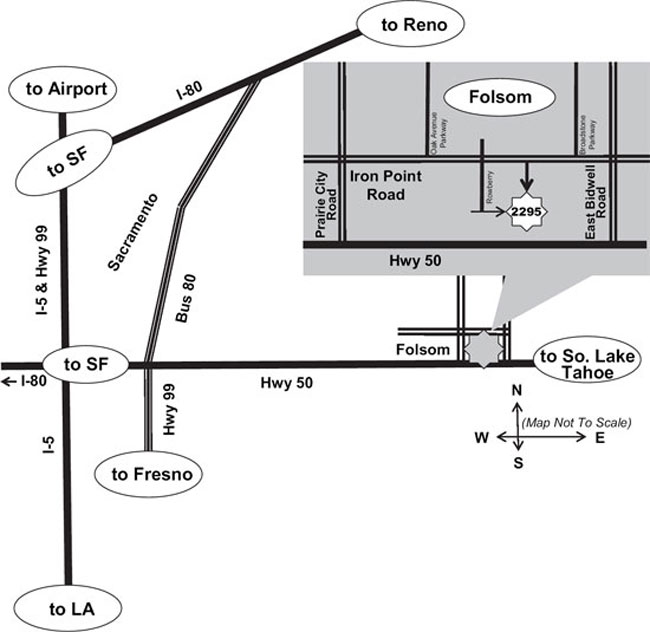
|
Directions
from Sacramento International Airport (~ 38 miles):
|
|
|
●
|
I-5
South to Hwy
50 East (to South Lake Tahoe)
|
|
●
|
Proceed East on Hwy
50 to East
Bidwell Road
exit
|
|
●
|
Turn left at exit
signal onto East Bidwell Road, proceed North to Iron
Point
Road
|
|
●
|
Turn
left onto Iron Point Road, proceed West for ~ 1 mile, past Broadstone
Parkway
|
|
●
|
Turn left onto
1st
driveway leading to 2295
Iron Point
Road
|
|
Directions
from I-80 (San Francisco) :
|
|
|
●
|
I-80
East to Bus 80 East to Hwy 50 East (to South Lake
Tahoe)
|
|
●
|
Then
follow rest of Airport directions, above
|
|
Directions
from I-80 (Reno) or Business 80 (north end):
|
|
|
●
|
I-80
West to I-5 South, or Bus 80 West to Hwy 50 East (to South Lake
Tahoe)
|
|
●
|
Then
follow rest of Airport directions, above
|
|
Directions
from I-5 or Hwy 99 (south end):
|
|
|
●
|
I-5
or Hwy 99 North to Hwy 50 East (to South Lake Tahoe)
|
|
●
|
Then
follow rest of Airport directions,
above
|
|
Waste
Connections, Inc.
2295
Iron Point Road, Suite 200
Folsom,
California 95630
|
proxy
|
|
ADDRESS
BLOCK
|
|
1.
|
Election
of directors:
|
01
Michael W. Harlan
|
o
|
Vote
FOR
|
o
|
Vote
WITHHELD
|
|
02 William
J. Razzouk
|
all
nominees
|
from
all nominees
|
||||
|
(except
as marked)
|
||||||
| (Instructions: To withhold authority to vote for any indicated nominee, write the number(s) of the nominee(s) in the box provided to the right.) | ||||||
|
2.
|
Ratification
of appointment of PricewaterhouseCoopers LLP as WCI’s independent
registered public accounting firm for the fiscal year ending December 31,
2009.
|
o
For
|
o
Against
|
o
Abstain
|
|
|
|
|
|
Signature(s)
in Box
Please
sign exactly as your name(s) appears on the proxy. If the
shares of common stock represented by the proxy are held in joint tenancy,
all persons should sign. Trustees, administrators, etc., should include
title and authority. Corporations should provide full name of corporation
and title of authorized officer signing the
proxy.
|