|
1
|
|
|
2
|
- Chairman, President and CEO
The McGraw-Hill Companies
|
|
3
|
- This presentation includes certain forward-looking statements about the
Company’s businesses, new products, sales, expenses, tax rates, cash
flows, prepublication investments and operating and capital
requirements. Such forward-looking statements include, but are not
limited to: the strength and sustainability of the U.S. and global
economy; Educational Publishing’s level of success in 2008 adoptions and
in open territories and enrollment and demographic trends; the level of
educational funding; the strength of School Education including the
testing market, Higher Education, Professional and International
publishing markets and the impact of technology on them; the level of
interest rates and the strength of the economy, profit levels and the
capital markets in the U.S. and abroad; the level of success of new
product development and global expansion and strength of domestic and
international markets; the demand and market for debt ratings, including
collateralized debt obligations (“CDO”), residential mortgage and
asset-backed securities and related asset classes; the regulatory
environment affecting Standard & Poor’s; the level of merger and
acquisition activity in the U.S. and abroad; the strength of the
domestic and international advertising markets; the volatility of the
energy marketplace; the contract value of public works, manufacturing
and single-family unit construction; the level of political advertising;
and the level of future cash flow, debt levels, manufacturing expenses,
distribution expenses, prepublication, amortization and depreciation
expense, income tax rates, capital, technology, restructuring charges
and other expenditures and prepublication cost investment.
- Actual results may differ materially from those in any forward-looking
statements because any such statements involve risks and uncertainties
and are subject to change based upon various important factors,
including, but not limited to, worldwide economic, financial, political
and regulatory conditions; currency and foreign exchange volatility; the
health of debt and equity markets, including interest rates, credit
quality and spreads, the level of liquidity, future debt issuances
including residential mortgage backed securities and CDOs backed by
residential mortgages and related asset classes; the implementation of
an expanded regulatory scheme affecting Standard & Poor’s ratings
and services; the level of funding in the education market (both domestically
and internationally); the pace of recovery in advertising; continued
investment by the construction, computer and aviation industries; the
successful marketing of new products, and the effect of competitive
products and pricing
|
|
4
|
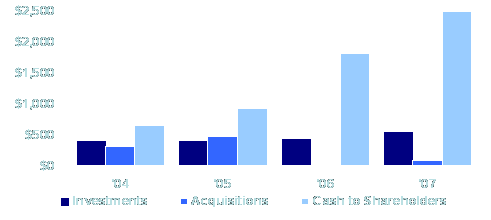
- Increased cash dividend by 7.3% for 2008
- Dividend has increased for 35 consecutive years
- 10.3% average compound annual growth rate in dividend since 1974
- Extended share buyback program into 2008
- Board approved initial repurchase target of 20.0 million shares for
2008, subject to market conditions
- Capacity: A total of 28.0 million shares are authorized
|
|
5
|
|
|
6
|
|
|
7
|
- U.S. economy probably heading into recession in first half of 2008
- Could slow core inflation, but housing remains problem area for economy
- Sales for new and existing homes continue to decline; high inventory
puts pressure on prices
- S&P’s chief economist expects housing sales to bottom out at
mid-year with prices leveling off in early 2009
|
|
8
|
- State budgets under pressure although problem not as severe as in
2001-02 period
- More rate cuts by Federal Reserve virtually certain
- Another 50 basis point cut expected when Fed meets on March 18
- Could be further reduction at April meeting
|
|
9
|
- New fiscal stimulus package could:
- Boost consumer spending by mid-2008
- Help produce growth in U.S. GDP
- 3.2% in third quarter
- 2.4% in fourth quarter
|
|
10
|
- World economy remains strong: Expected to grow 4.1% in 2008
- MHP expects another solid performance this year in international markets
from all three operating segments
- International revenue in 2007:
- 26% of total revenue
- 15% growth rate
|
|
11
|
|
|
12
|
- Unlikely we will achieve expected revenue grow of 2% to 4%
- No updated guidance until we have greater clarity
- First half: Tough comparisons and greater margin pressure
- Second half: Less challenging comparisons and some improvement
|
|
13
|
|
|
14
|
|
|
15
|
- Full impact of 4Q ’07 restructuring savings will be realized in 2Q ’08
- Hiring freeze remains in place
- Discretionary costs scrutinized very carefully
- Continue to invest in key initiatives to strengthen ratings franchise
- Will take more steps to reduce costs if environment does not improve at
pace we now expect
|
|
16
|
- Timing of recovery can’t be predicted with certainty
- Conditions favoring a recovery are well understood and being monitored
- Must see an end to greater transparency and an end to forced
liquidations
- As banks and other financial institutions reserve for losses related to
structured finance, exposures will become transparent to the market and
write-downs will end
|
|
17
|
- Efforts to inject liquidity into market and lower interest rates will
begin to take hold
- With tighter credit standards and improving liquidity, banks will be
able to attract more funds, allowing them to increase lending
- As investors reach consensus on fair values, credit spreads will
realign
- Deals hung up in pipeline will get priced and current backlog will be
cleared
|
|
18
|
- As pricing is reset in marketplace, investor demand will start to
return
- As market mechanisms are reaffirmed, new debt issuance will increase,
reflecting more conservative approach to financing and reduced appetite
for complexity
- Renewed confidence in fundamental credit analysis and value of new
actions
|
|
19
|
- Four key areas:
- Governance: Ensure integrity of ratings process
- Analytics: Enhance quality of ratings analysis and opinions
- Information: Provide greater transparency and insight to market
participants
- Investor education: More effectively inform marketplace about credit
ratings and rated securities
|
|
20
|
- 27 steps in comprehensive program include:
- Creating office of ombudsman to address concerns over potential
conflicts of interest
- Engagement of outside firm to conduct independent reviews of S&P’s
compliance and governance
- Addition of new surveillance capabilities
- Response from policymakers has been positive
|
|
21
|
- We welcome SEC examination
- SEC Commissioner Paul Atkins:
- “A rating is an expression of
an opinion—one that barring self-dealing or lack of integrity enjoys
the protection of the First Amendment.”
- “We must remember that even
the highest rating by a credit agency is not an insurance policy. We
should not create a regulatory regime that appears to provide insurance
when there is no such certainty in the capital markets.”
|
|
22
|
- Standard & Poor’s is working closely with SEC and other regulators
- We believe S&P is making progress on the regulatory and legislative
fronts
|
|
23
|
- Two law suits have been filed
- Nothing material has occurred at this point
- We don’t believe any pending legal, governmental or self-regulatory
proceeding will result in a material adverse effect on our financial
condition or our operations
|
|
24
|
- S&P has reduced its dependence on any single market, asset class or
business
- Financial Services starts the year with $793 million dollars in deferred
revenue
- We expect this durable revenue stream to continue growing this year and
next
|
|
25
|
- 26% of Financial Services’ 2007 revenue came from S&P Investment
Services
- This non-ratings business grew by 16.3% last year
- 2008: Expect another year of double-digit growth for S&P Investment
Services
- Moving ahead in data and information
- Capital IQ continues to grow and expand
|
|
26
|
- 11 new indices launched in January
- We already have clients for many of them
- S&P facilitating over-the-counter market for derivatives based on
indices
- Bear Stearns licensed to trade over-the-counter contracts based on the
S&P/Case-Shiller Home Price Indices
|
|
27
|
- In the first quarter: Completed acquisition of a rating agency in Israel
— S&P Maalot
- Opened new offices in Dubai and Johannesburg
|
|
28
|
- International ratings revenue will be a bigger contributor in 2008
- Represented 40% of ratings revenue in 2007
- Asia, fastest growing overseas region this year
- CRISIL leading the way
- Top line at CRISIL has grown nearly 400% since 2004
|
|
29
|
- S&P ratings’ non-transaction revenue will make bigger contribution
in 2008
- Led by:
- Strong demand for S&P’s research products
- Rising annual fees
- Expanding surveillance services
|
|
30
|
- S&P’s non-traditional services provide tools and models
- These ratings and services are not directly linked to new public debt
issuance
- Accounted for 25.5% of ratings revenue in 2007
- Should continue to contribute in 2008
|
|
31
|
- Adverse market conditions continue to impact growth
- Impact will be most pronounced in first half of the year
|
|
32
|
- January and February new issue volume softer than anticipated
- Uncertainty remains high
- Diversity more important than ever in Financial Services
- More cost cutting likely if market recovers more slowly than expected
|
|
33
|
|
|
34
|
- Growing enrollments here and abroad fuel growth
- Recognition that an educated population is essential for U.S. and global
competitiveness
|
|
35
|
- Market consolidation across K-16 spectrum
- Three major competitors instead of four
- Two new competitors heavily encumbered by debt
- New investments required to retain competitive edge
- Key factors:
- Convergence of technology and content
- Robust state new adoption markets for rest of decade
|
|
36
|
- Increasing investment in technology to:
- Manage costs in the future
- Develop both print and digital products more efficiently
- Create new incremental revenue by delivering content in variety of
digital formats
- Support digital products with customer-facing technology infrastructure
- Improve our marketing with targeted e-mail campaigns and microsites
|
|
37
|
- Harrison’s Principles of Internal Medicine, 17th Edition
- Leveraging technology to increase value of new edition
|
|
38
|
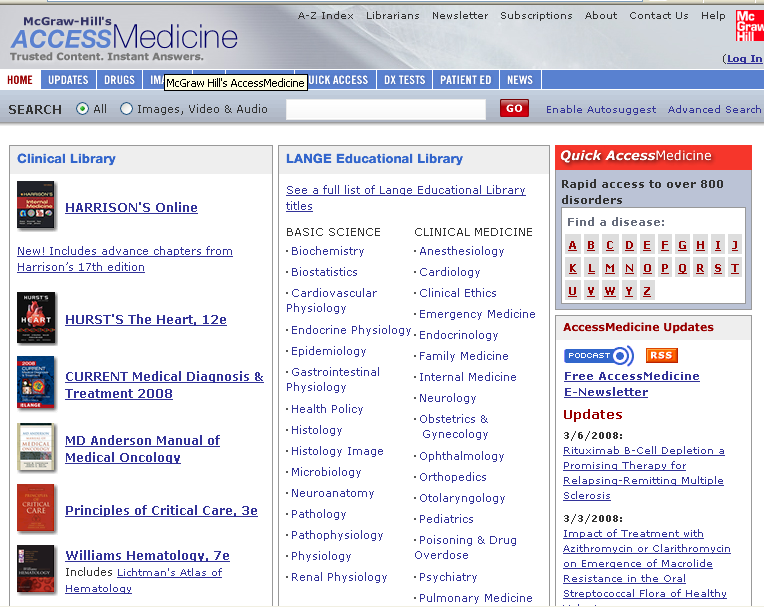
- AccessMedicine
- Flagship online service for health professionals
- Provides enhanced content from more than 50 major medical references in
digital format
- New pay-per-view feature for users who don’t need full subscription
|
|
39
|
- New introductory-level general text in chemistry
- Supported by:
- Downloadable MP3 and podcast files
- Integrated online homework and study programs
|
|
40
|
- Created AMGOV for introductory course in American government
- Looks nothing like traditional college textbook; designed like a
magazine
- Result of in-depth research on undergraduates’ study habits and class
prep
- Will be published
annually
|
|
41
|
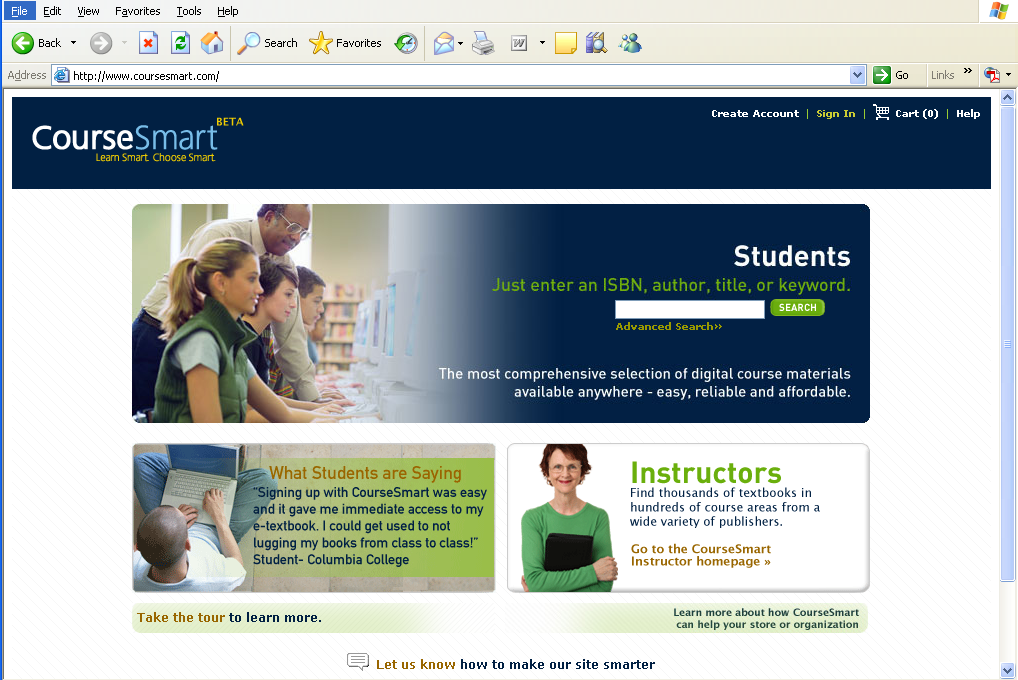
- Offering 300 eBooks through CourseSmart
- New online consortium of college and university publishers
- eBook savings:
- Student savings: Half the cost of new print titles
- Marketing savings: Texts online
can cut sampling costs to instructors
- Goal: Have entire front-list available by August for sampling by
instructors
|
|
42
|
- Parent Network: New standard for online assessment
- Helps parents easily review results and stay involved in student’s
learning and progress
- To date, more than
5.7 million visits and 154 million hits for Florida
|
|
43
|
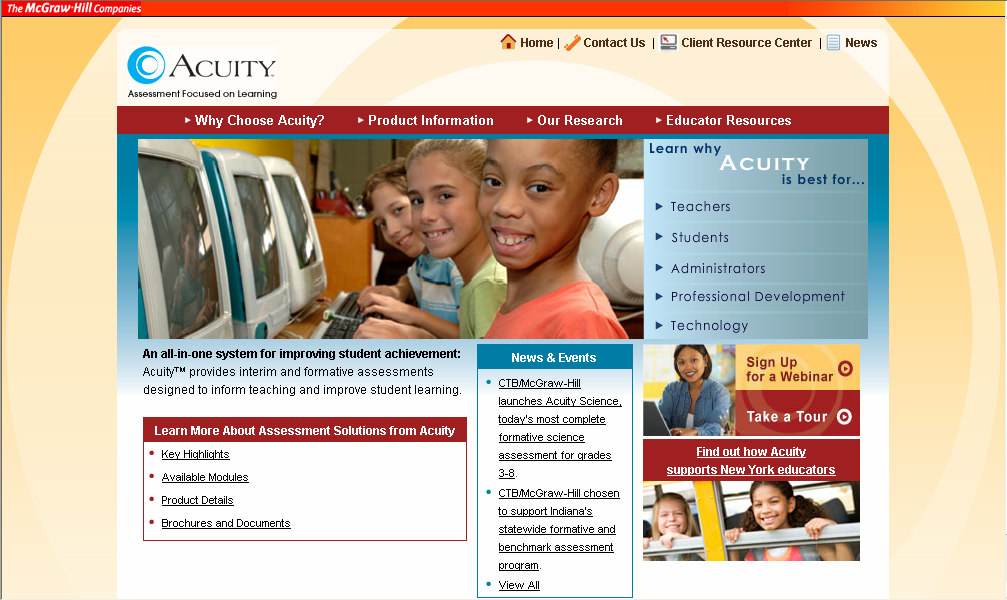
- Acuity, a web-based formative assessment program
- Won $80 million, five-year contract with New York City
- State-level contracts will produce revenue in 2008 and beyond
|
|
44
|
- Steady evolution of hybrid instructional programs
- Key: Determining which teaching and learning tools work best
- Depends on age of student, subject and individual learning needs
|
|
45
|
- Prime example: New math program for California includes:
- Interactive editions
- Time-saving technology tools for teachers
- Online tutors and math games for students
- Growing use of digital materials reflected in increased traffic on math
website
- 2003: 30.6 million page views
- 2007: 64.9 million page views
|
|
46
|
- Encouraged by early tone of business in adoption states and open
territory
- Too soon to make a call on this year’s performance
- State funding issues should relatively little impact this year on state
new adoption market
- Speculation on cutback applies to 2008-09 budgets
- Open territory the wild card in this year’s marketplace
- We think el-hi market will grow 4% to 5% in 2008
- Expect state new adoption market to grow 10% to 15% this year
- Expect growth of 1% to 2% in open territory
|
|
47
|
- Another good year both here and abroad
- 2008 U.S. college and university market will grow 3% to 4%
- Boost from growth of digital products and services
- Expect to outperform the market
|
|
48
|
- Revenue will growth 6% to 8% in 2008
- Operating profit will grow in low single-digit range because of
substantial increases in prepublication costs and investments in
technology
- Operating margin may decline 50 to 100 basis points
|
|
49
|
|
|
50
|
- More improvement in 2008
- Revenue to grow 6% to 8%
- Operating margin expands
- Internet is reshaping B2B market and driving need for information and
analytics
- New opportunities to deliver premium services
- B2B group’s revenue increased 6.2% in 2007 despite softness in print
advertising at BusinessWeek
|
|
51
|
- Expanding in the rapidly growing Asia-Pacific market
- Online syndicated studies
- Global automotive business
- Continuing to expand in new markets
- Financial services
- Insurance
|
|
52
|
- Ongoing volatility in oil and natural gas markets is increasing demand
for Platts’ news and pricing products
- Developing new benchmarks in emerging commodities
|
|
53
|
- Better serving customers in commercial construction markets with digital
and Web-based products
|
|
54
|
- Print advertising off to slow start in seasonally small quarter
- Ability to attract readers, subscribers and viewers continues to grow
- Newsstand sales grew 9.3% in second half of 2007
- Average circulation rose 1.3% to 933,566
- Print audience is 4.9 million—largest since 1998
- Will keep building user engagement at BusinessWeek.com
|
|
55
|
- Increased political advertising key to solid rebound in 2008
|
|
56
|
- Top-line growth of 6% to 8%
- Improved operating margin
- More growth from information products
- Increase in political advertising at Broadcasting
|
|
57
|
- Full year: Given uncertainty, unlikely we will achieve original forecast
of 3% to 5% earnings per share growth
- 1Q 2008: We are projecting significant decline in net income and
earnings per share
|
|
58
|
- Good start in 2007 will make comparisons very difficult for us in first
half of 2008
- Looking forward to easier comparisons and better performance in second
half of 2008
- Finishing year on an upswing hinges on pace of recovery in financial
markets
|
|
59
|
|

 Notes
Notes