 |
 |
||||||||||||||||||||||||||||||||||||||||||||||||||||||||||||||||||||||||||||||||||||||||||||||||||||||||||||||||||||||||||||||||||||||||||||||||||||||||||||||||||||||||||||||||||||||||||||||||
|
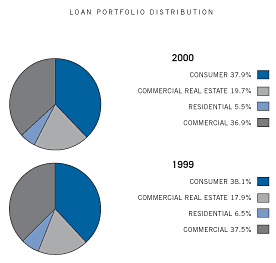
This compared with 38.1 percent, 17.9 percent, 37.5 percent, and 6.5 percent at the end of 1999 for commercial loans, commercial real estate loans, consumer loans, and residential first mortgages, respectively. Total commercial loans were $9.1 billion at the end of 2000 compared to $10.0 billion at year-end 1999. In 2000, the level of commercial loans declined 9.2 percent and reflected AmSouth’s strategy to exit a substantial portion of its syndicated commercial loan portfolio. This strategy resulted in the sale or runoff of approximately $500 million of loans. In addition, the increased level of commercial loan participations to commercial loan conduits in 2000 reduced the level of commercial loans on the balance sheet. Further controlling growth in AmSouth’s commercial loan portfolio was the application of more selective pricing standards in response to rising interest rate environments during the first half of 2000. Management expects modest growth in commercial loans in 2001 due to new business development resulting from the initiative to aggressively grow high growth markets where AmSouth has relatively low market share, expansion of services to small businesses through the business banking initiative, continued growth of commercial lease financing and asset-based lending, and further application of its relationship banking concept in all of its markets. For this growth to occur, the economy must experience modest growth throughout 2001 for loan demand to be sufficient to meet the company’s goals. In addition, management must be able to provide satisfactory sales results and service quality and develop new products in the commercial lending area. |
||||||||||||||||||||||||||||||||||||||||||||||||||||||||||||||||||||||||||||||||||||||||||||||||||||||||||||||||||||||||||||||||||||||||||||||||||||||||||||||||||||||||||||||||||||||||||||||||
|
At the end of 2000, total managed loans net of unearned income, which include loans contained in the conduits and loans securitized, grew 4.6 percent to $30.7 billion compared to year-end 1999. The loan portfolio at AmSouth includes four main components: commercial loans, commercial real estate loans, consumer loans, and, within the consumer loan category, residential first mortgage loans. At the end of 2000, commercial loans represented 36.9 percent of the total portfolio, commercial real estate loans were 19.7 percent, while consumer loans, excluding residential first mortgages, were 37.9 percent and residential first mortgages represented 5.5 percent. |
|||||||||||||||||||||||||||||||||||||||||||||||||||||||||||||||||||||||||||||||||||||||||||||||||||||||||||||||||||||||||||||||||||||||||||||||||||||||||||||||||||||||||||||||||||||||||||||||||
|
Selected Loan Maturities and Sensitivity to Change in Interest Rates Table 8
|
|||||||||||||||||||||||||||||||||||||||||||||||||||||||||||||||||||||||||||||||||||||||||||||||||||||||||||||||||||||||||||||||||||||||||||||||||||||||||||||||||||||||||||||||||||||||||||||||||
|
|
||||||||||||||||||||||||||||||||||||||||||||||||||||||||||||||||||||||||||||||||||||||||||||||||||||||||||||||||||||||||||||||||||||||||||||||||||||||||||||||||||||||||||||||||||||||||||||||||
 |
|
||||||||||||||||||||||||||||||||||||||||||||||||||||||||||||||||||||||||||||||||||||||||||||||||||||||||||||||||||||||||||||||||||||||||||||||||||||||||||||||||||||||||||||||||||||||||||||||||
